How to spot fake dōTERRA: the lot-number check and the signs on the bottle
Counterfeit dōTERRA is sold on Amazon, eBay, Etsy, OLX and Kaspi at the price of the real thing or half of it. How to verify an oil by lot number at sourcetoyou.com, what to look at on the label, cap and orifice reducer, why the smell test does not work, what to do if you already bought a fake, and how to buy so you never have to check.
Open a wholesale account · Official dōTERRA form · takes about 5 minutes
Go to enrollment
A dōTERRA bottle — amber glass, coloured label, black cap — is easy to copy. The oil inside is not. That is why marketplaces, classifieds and social media keep turning up “dōTERRA” with diluted or fully synthetic contents, sometimes at the price of the real thing and sometimes at half of it. We have used the oils for years and regularly receive photos of doubtful bottles with the question “is this genuine?”. Below is everything we answer in such cases: how to check what is already in your hand, where fakes come from, what to do if you have already bought one, and how to stop thinking about it altogether.
In short: the only reliable check is the lot number at sourcetoyou.com. Everything else, from smell to the spot on a sheet of paper, is circumstantial. And the only way to never check at all is ordering directly from dōTERRA.
The main check: the lot number
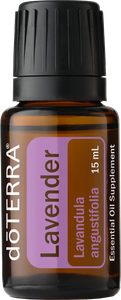 Every dōTERRA bottle carries a printed lot number — usually on the bottom or the lower part of the label, letters and digits such as
 2412345A. Go to sourcetoyou.com, enter it, and you will see the country of origin of the raw material, the date and the laboratory results for that exact batch: the GC/MS chromatogram and about ten further tests for purity, contaminants and pesticide residues. This is the same testing dōTERRA runs on every batch before bottling; the report is public and you need no account to view it.
Three possible outcomes. No number, or an unreadable one — not genuine, no other options. A number that the site does not find — not genuine: dōTERRA has no batches missing from its database. A number that is found — the contents are very likely real. “Very likely”, because in theory a number can be copied from a real bottle and printed on a fake. So if the oil was not bought on the official site, a found number is not the end of the check but its first half; next, look at the bottle itself.
Why the smell test does not work
The internet is full of advice: “put a drop on paper”, “sniff it — synthetics smell of alcohol”, “real oil leaves no greasy spot”. We used to repeat it ourselves, and now say honestly: this is not a check, it is a feeling.
Smell. Modern fragrance compositions are almost indistinguishable from natural oil in the first seconds, especially to someone smelling dōTERRA for the first time who does not know what it should be like. And the scent of a real oil varies from batch to batch — Bulgarian lavender from 2024 and from 2025 smell different, and that is normal. So “it smells different from last time” proves nothing, and “it smells right” proves even less.
Paper. A drop of pure essential oil does evaporate without a greasy spot, and one diluted with a carrier oil leaves one. But most fakes are diluted not with fatty oils but with alcohol or synthetic components that evaporate just the same. The test catches only the crudest fraud.
Consistency and colour fail too: dōTERRA Lavender is nearly clear, but so is synthetic linalyl acetate. All these signs are reasons to be suspicious; the only proof is the lot number.
Signs of a genuine bottle
If the lot number is found but the oil was not bought from dōTERRA, compare the packaging. No single point is a verdict, but two or three mismatches together are.
Glass. Dark amber, even, no bubbles and no seam you can feel with a finger. Glassworks markings on the base.
Orifice reducer. Inside the neck sits a plastic insert with a tiny hole, so the oil comes out strictly drop by drop; 15 mL is about 250 drops. Fakes often lack the reducer entirely or have a wide opening, and the oil pours.
Lot number and expiry date printed, not stickered. dōTERRA prints them directly on the bottle or on the label at the printer. A separate sticker with the number, especially a crooked one, means the number was added later.
Label typography. Font, letter size, the Latin plant name, the logo position — all identical on every bottle of the same product. A typo in Lavandula angustifolia, blurry small text, a different shade of the coloured band (Lavender lilac, Peppermint blue, Lemon yellow) — an immediate fail.
Cap. Matte black with crisp texture. In some markets the bottle is additionally wrapped in a shrink band or has a tamper ring that breaks on first opening. A missing band is not a verdict on its own — not every market has it — but a glossy cap with a different texture is.
Price. Covered separately below, because it is the quickest sign.
Genuine vs fake: the comparison table
| What to look at | Genuine | Fake |
|---|---|---|
| Lot number at sourcetoyou.com | found, GC/MS report shown | no number or not found |
| Lot number and expiry date | printed on the bottle or label | a sticker, often crooked |
| Glass | dark amber, even, markings on the base | lighter, bubbles, a seam |
| Orifice reducer | narrow opening, drop by drop | missing or wide opening |
| Label | same font and colour on every bottle of the product | blurry text, typos, a different shade |
| Cap | matte, crisp texture, shrink band in some markets | glossy, different texture |
| Price | dōTERRA wholesale or retail | “half of wholesale” |
| Place of purchase | official site or dōTERRA warehouse | marketplace, classifieds, “from my stock” on social media |
Price as a sign
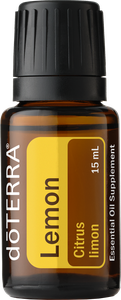 dōTERRA has two prices for every product: retail and wholesale, 25% lower. Wholesale is what anyone with an account pays — it is the company’s own price for its members. Lavender 15 mL in the US, for example, is $38.67 retail and $29 wholesale; in Germany €37 wholesale and €49.33 retail.
The logic follows. An advocate or reseller buys the oil at wholesale. Selling it below wholesale means selling at a loss; nobody does that. So a listing “dōTERRA Lavender 15 mL, genuine, $15” against a wholesale price twice as high is not “a good deal from an advocate clearing stock” but a fake with a probability close to one hundred percent. The only exception is opened bottles, leftovers from kits and “selling, did not suit me” — and there the seller usually says honestly that the bottle is open. Why the price is what it is, we covered in Why is dōTERRA so expensive.
Where fakes are sold
dōTERRA does not sell through marketplaces and forbids its advocates from doing so — a listing on Amazon or eBay gets an advocate’s account closed. Anything there arrives by one of two routes: a resold wholesale order, or a counterfeit.
- Amazon, eBay, Etsy — the most “dōTERRA” listings in English, including from sellers with hundreds of reviews. Reviews guarantee nothing: people praise the smell, not the chromatogram.
- OLX, Kaspi, Facebook Marketplace — private listings “genuine, leftover stock”. Here you meet both real oil from former advocates and outright counterfeits, and telling them apart from photos is impossible.
- Instagram and Telegram — “dōTERRA advocate, stock in your city, below the official price”. A real advocate keeps no stock and does not sell below wholesale: they give you an enrollment link and the order ships from the company’s warehouse.
- AliExpress and similar — the same in an international version, plus the risk of a bottle that spent two years in transit and in heat.
The general rule: the further the seller is from the official warehouse, the less you know about what is inside. Even a real oil bought second-hand may have stood in the sun, been opened or passed its expiry date — and every dōTERRA product has one on the bottle.
Resold genuine oil: not a fake, but still a risk
A separate category is real bottles that an advocate ordered at wholesale and resells at a markup. The lot number will be found at sourcetoyou.com and the packaging will be fine. There are three problems: you pay more than wholesale (sometimes more than retail), you get no dōTERRA guarantee or returns, and you do not know how and for how long the bottle was stored. Plus none of the loyalty points and free products that come with a direct order. Where to buy well and safely we compared in Where to buy dōTERRA cheaper — in short, nothing beats wholesale direct.
What to do if you already bought a fake
 First, do not use it. Do not put it on skin, do not add it to food or drinks, do not run it in a diffuser in a child’s room: a fake can contain anything from cheap fragrance to solvent, and none of our articles about the oils apply to such a bottle.
Then, in order:
- Check the lot number at sourcetoyou.com and take a screenshot of the result — “not found” or the absence of a number.
- Photograph the bottle from all sides: label, base, cap, orifice reducer, and the sticker with the number if there is one.
- On the marketplace open a dispute or return citing counterfeit goods and attach the photos and screenshot. Amazon, eBay and Kaspi usually refund in such cases, because liability for counterfeits sits with them.
- On OLX or Facebook Marketplace write to the seller with the same evidence; if they refuse, report the listing — at the very least it removes it for others.
- If you wish, send the photos to dōTERRA customer support in your country — the company collects such cases and sometimes gets listings taken down.
And finally: do not throw the bottle away until the dispute is closed. The platform may ask you to send it in for inspection.
Why the official warehouse is the only zero-risk source
Everything described above is needed only when the oil was not bought from dōTERRA. With an order placed directly with dōTERRA the authenticity question does not arise at all: the bottle comes from production in factory packaging, with a lot number that is guaranteed to be in the database, with the company’s guarantee and returns. In the US it ships from the Utah warehouse, in Europe from the EU warehouse usually within 2–5 working days; countries without direct enrollment are served through Global Access: the order ships from the US to a US forwarding address, and the forwarder sends it on, with extra shipping and customs costs.
You do not need to be an advocate or invite anyone. A wholesale customer account takes five minutes, gives a price 25% below retail — lower than any reseller — and requires no minimum orders, no selling and no subscription. The only cost is an enrollment fee of about one bottle, waived when the first order is a kit; if you would rather not open an account at all, buying at retail on the official site is still the same warehouse and the same zero risk.
The bottom line
Fake dōTERRA exists, and there is a lot of it: on Amazon, eBay, Etsy, OLX, Kaspi and social media. It cannot be told apart by smell or by a drop on paper, and only approximately by the packaging. The only reliable check is the lot number at sourcetoyou.com, and the only way to never check at all is to buy direct.
If you want to simply use the oils rather than study labels under a magnifier, open a wholesale account: pick your country on the home page and the form opens for your market; the step-by-step guide shows every screen. Already bought something doubtful and want a second opinion? Write to us with photos of the bottle — we will look together and suggest how to file the return.
dōTERRA products are not intended to diagnose, treat, cure or prevent any disease. The signs above are practical pointers, not an official dōTERRA method; the definitive check is the lot number.
Questions and answers
How do I verify that a dōTERRA oil is genuine?
Find the lot number on the bottle and enter it at sourcetoyou.com. The site shows the origin of the raw material and the GC/MS results for that exact batch. If there is no number or the site does not find it, it is not genuine.
Can I tell a fake by the smell?
Not reliably. Modern fragrance compositions are almost indistinguishable from natural oil in the first seconds, and the scent of real lavender itself varies from batch to batch. Smell is a reason to be suspicious, not proof.
Where are fake dōTERRA oils sold most often?
On marketplaces and classifieds: Amazon, eBay, Etsy, OLX, Kaspi, Facebook Marketplace, plus Instagram and Telegram sellers “from my own stock”. dōTERRA does not sell through these channels and forbids its advocates from doing so.
Can genuine dōTERRA cost half the wholesale price?
No. Wholesale is dōTERRA’s own price for its members; nobody sells below it at a loss. A price “half of wholesale” is the most reliable sign of a fake.
What should I do if I already bought a fake?
Do not use it on skin or take it internally. Check the lot number, photograph the bottle and request a refund from the marketplace citing counterfeit goods — they usually pay. Then order only from the dōTERRA warehouse.
Are there fakes on the official dōTERRA site?
No. An order placed directly with dōTERRA comes straight from production, and the authenticity question does not arise. It is the only channel with zero risk.
Do I need to be an advocate to order from the warehouse?
No. A wholesale customer account takes five minutes and gives a price 25% below retail — lower than any reseller. No selling, no recruiting, no minimum orders.