How to spot fake dōTERRA: the lot-number check and 6 signs on the bottle
Counterfeit dōTERRA is sold on marketplaces and social media at the price of the real thing. How to verify an oil by lot number at sourcetoyou.com, what to look at on the label, cap and orifice reducer, and how to buy so you never have to check.
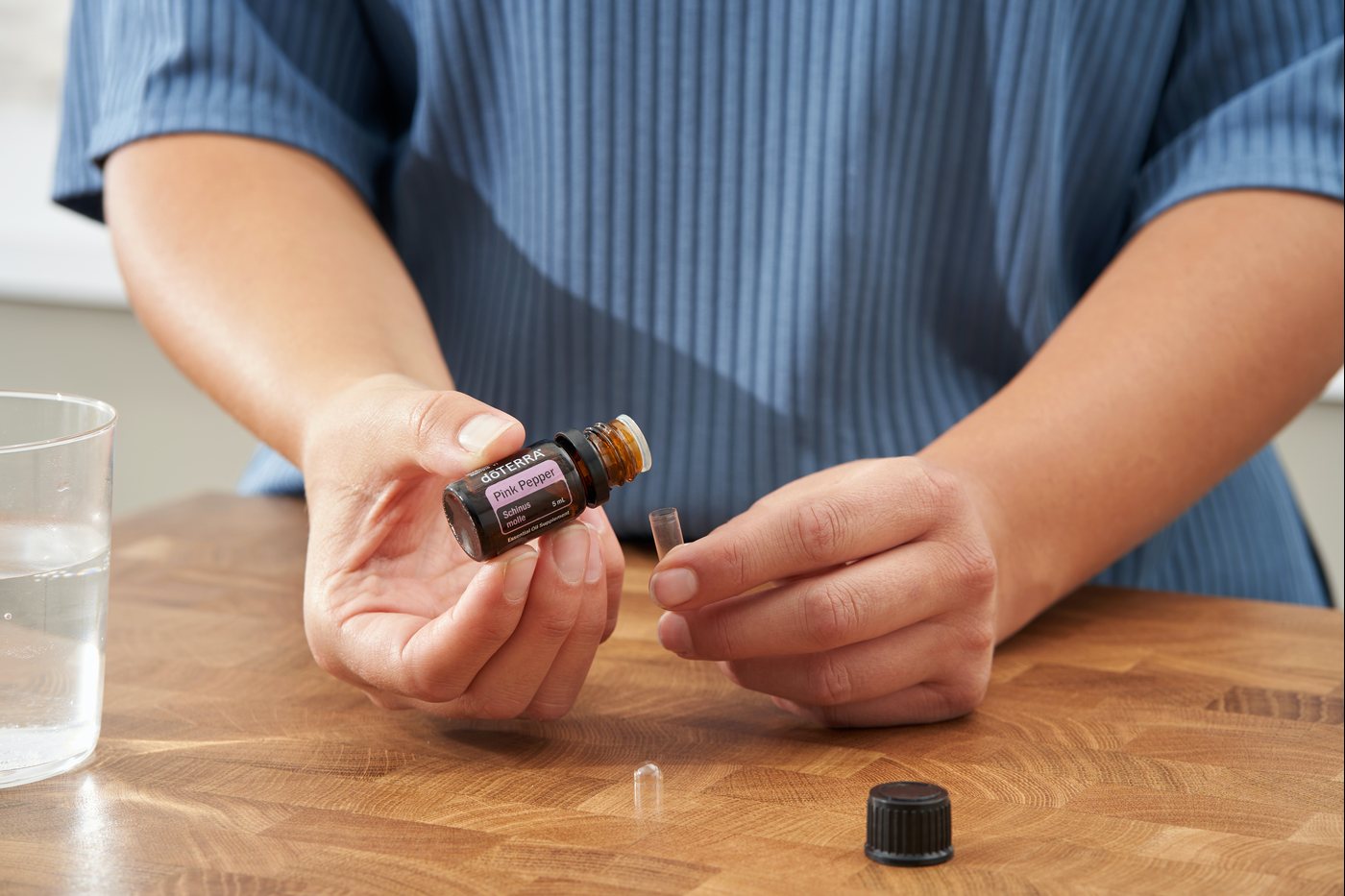
A dōTERRA bottle — amber glass, coloured label, black cap — is easy to copy. The oil inside is not. That is why marketplaces and Instagram keep turning up “dōTERRA” with diluted or fully synthetic contents, often at the price of the real thing. Here is how to check what is already in your hand, and how to stop thinking about it altogether.
The main check: the lot number
Every dōTERRA bottle has a lot number stamped on the bottom or side, usually letters and digits such as 2412345A. Go to sourcetoyou.com, enter it, and you will see the country of origin, the date and the laboratory results for that exact batch. If there is no number, it is unreadable, or the site does not find it, it is not genuine. If it does find it, the contents are very likely real, though in theory a number can be copied from a real bottle; then look further.
Six signs on the bottle itself
Cap. The genuine cap is matte black with crisp texture and a tamper ring that breaks on first opening. A glossy cap, no ring, or a ring that comes off in one piece is a warning sign.
Orifice reducer. Inside the neck sits a plastic insert with a tiny hole, so the oil comes out drop by drop. Fakes often lack it or have a wide opening.
Label. Sharp print, no blurry small text, colours matching the official ones (Lavender lilac, Peppermint blue, Lemon yellow). A typo in the Latin plant name is an immediate fail.
Glass. Dark amber, even, no bubbles. Markings on the base.
Scent. A real oil unfolds in layers and does not smell like perfume or alcohol. Synthetics are flat, often with a chemical note in the first seconds. dōTERRA Lavender does not smell like sweet soap.
The paper test. A drop of pure essential oil on paper evaporates within hours, leaving a faint mark or nothing. A greasy spot that stays is a carrier-oil filler.
No single sign is a verdict on its own; two or three together are.
Where fakes come from
dōTERRA does not sell on Amazon, eBay or AliExpress and forbids its advocates from doing so. Anything listed there is either a resold wholesale order (genuine, but with no guarantee of age or storage) or a counterfeit. The other channel is private sellers on social media “from my own stock” at “below wholesale”: nobody sells below wholesale at a loss.
How to never check again
The only way the authenticity question disappears entirely is ordering from dōTERRA’s official warehouse. You do not need to be an advocate: a wholesale customer account takes five minutes, gives a price 25% below retail — lower than any reseller — and ships from your country’s warehouse. Pick your country on the home page and the form opens for your market. Already bought something doubtful and want a second opinion? Write to us and we will look together.
dōTERRA products are not intended to diagnose, treat, cure or prevent any disease. The signs above are practical pointers, not an official dōTERRA method; the definitive check is the lot number.