Is dōTERRA a scam? The common complaints, checked one by one
“dōTERRA scam”, “the truth about dōTERRA”, “dōTERRA reviews” — thousands search this every month. A calm look at what is true, what is myth, where people really get burned, and how to buy the oils with zero MLM involvement.
Open a wholesale account · Official dōTERRA form · takes about 5 minutes
Go to enrollment
Type “doterra” into a search box and the suggestions offer “scam”, “truth” and “reviews”. That is a normal reaction to a company that sells through network marketing and charges three times what the pharmacy does for a bottle. We have used dōTERRA oils for years and help people enroll in dozens of countries, so we know both the company’s strengths and the complaints against it. Here they are one by one, including the ones we agree with.
The short version, for anyone who does not want to read the whole thing: the product is real, every batch can be verified by its lot number, and you can buy with no obligations at all. There are three ways to get burned, and we cover those honestly too.
What dōTERRA actually is
dōTERRA is an American company from Utah, founded in 2008 by a group of people who left Young Living. Today it is the largest seller of essential oils in the world: a claimed turnover above two billion dollars a year, offices and warehouses in roughly twenty countries, and more than a hundred others served through its Global Access programme, where orders ship from the US to a US forwarding address and a forwarder sends them on. The company is private and publishes no accounts, so the turnover figures come from its own press releases.
The product is essential oils — singles and blends — plus everything around them: diffusers, supplements, skin care, household cleaners with oils in them. It is sold through advocates (Wellness Advocates) who earn a percentage on orders placed by people they introduced. That is where the reputation comes from.
Complaint 1: “It’s MLM, so it’s a pyramid”
 Network marketing: yes. dōTERRA does not sell through stores; it sells through advocates who earn a percentage on orders from people they introduced. Pyramid: no, and here is the line. In a pyramid the money comes from new members’ fees rather than product sales. dōTERRA has a real product bought by people who never recruit anyone; by the company’s own figures the large majority of accounts are plain customers with no business. You can use the oils for life and never hear the word “downline”.
There is also the formal test regulators use: in a pyramid you are paid for recruiting people, not for product those people buy and use. dōTERRA bonuses are calculated on order volume, and that volume comes mostly from end consumers — people buying oils for their own homes. That is why the company has operated for nearly two decades in the US, the EU, Australia and Japan, all of which treat such schemes strictly.
What is true here: some advocates do push — “join the business”, “get the big kit”, “set up the subscription”. That is a problem with particular people, not a condition of buying. A Wholesale Customer account requires nothing: no sales, no minimums, no invitations. Details in the wholesale account article.
Complaint 2: “The oils are overpriced, the pharmacy is three times cheaper”
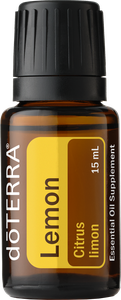 More expensive: true. A 15 mL Lavender from dōTERRA costs about as much as three pharmacy bottles. The question is what you are comparing. A $5 “lavender essential oil” is almost always diluted or synthetic; you cannot fit the 100 kg of flowers needed for a litre of real lavender oil into that price. dōTERRA publishes the test results for every batch (GC/MS plus about ten other tests) at sourcetoyou.com, looked up by the lot number on your bottle, and it is one of very few companies that does.
Are there pure oils cheaper than dōTERRA? Yes: small aromatherapy brands with transparent sourcing. The gap there is usually 20–40% rather than threefold, and part of it is the advocate commission. If you do not need support and can vet a supplier yourself, that is a fair alternative. More in why dōTERRA oils cost what they cost.
For orientation, here is what a 15 mL bottle of lavender costs from different kinds of sellers (orders of magnitude, not a price list):
| Where you buy | Price per 15 mL | Batch testing | What is inside |
|---|---|---|---|
| Pharmacy, mass market | $4–10 | none | often diluted or synthetic |
| Aromatherapy brand | $18–26 | sometimes, on request | usually pure oil |
| dōTERRA, retail | ~$39 | yes, by lot number | pure oil, CPTG tested |
| dōTERRA, wholesale account | ~$29 (–25%) | yes, by lot number | the same bottle |
US prices; your market has its own currency and its own price list, and the enrollment form shows the exact figure once you choose your country.
Complaint 3: “They claim to cure everything”
The most justified complaint, and it is aimed at some advocates rather than the company. dōTERRA formally bans medical claims — “this oil cures cancer” gets an advocate’s account terminated — yet you still see it in group chats and stories. In 2014 the US FDA sent the company a formal warning letter over exactly such claims made by advocates on social media; the rules were tightened afterwards, and every product page now carries the standard disclaimer that the product is not intended to treat anything.
Our position: essential oils are about aroma, skin care, cleaning, the feel of your home and everyday well-being. Not treatment. Anyone promising more is a red flag about that person. Walk away from such an advocate — you can open an account under anyone else, and it obliges you to nothing.
Complaint 4: “The subscription drains your card”
The Loyalty Rewards Program is optional and has no minimum. But people have ended up with an advocate who “helped set up” a $100+ monthly order at enrollment that the customer did not understand. The rule is simple: if in doubt, do not enable it; you can join later. How it works and how to cancel is in the LRP article.
One more thing worth knowing in advance: an LRP order is generated automatically from a “template” you filled in once. Forget about it and the same box arrives next month. You can cancel the template in your account at any time, but you have to check before the processing date, not after.
Complaint 5: “You can’t make money”
 As a main income: nearly impossible, and here we agree with the critics. dōTERRA’s published income disclosures show most advocates earn a few dozen dollars a month or nothing; meaningful income is a fraction of a percent. If someone promises “passive income in six months”, walk away. If you want to buy at a discount and occasionally receive a small amount for recommending a friend, that part works.
That is how we treat it ourselves: the oils have been in our home for years, and the company bonuses are a pleasant extra, not a salary. It is also why we never talk anyone into “building a business” — it rarely ends well, and strained friendships cost more than any bonus.
Complaint 6: “The reviews are bought and the negative ones get deleted”
Two things are mixed up here. The glowing social-media reviews really are written by advocates — that is their job, and it is sensible to treat them as advertising. But nobody deletes the negative reviews: open Trustpilot or Reddit and you will find hundreds of complaints, mostly about pushy advocates, LRP and price. Tellingly, complaints about the product itself — the quality of the oils — are rare; usually it is “didn’t like the smell” or “expected a miracle and it’s just oil”.
Counterfeits are a separate story. Marketplaces sell bottles with a dōTERRA label at half price, and they can contain anything. That is not the company’s problem, but it is the reason to order only from the official warehouse, where a counterfeit is impossible by definition. How to tell a fake is in its own article.
Where you really can get burned
The genuine risks in one list, so you know what to guard against:
- An advocate with promises. “It heals”, “passive income”, “get the big kit” — all about the person, not the product. Move to someone else.
- An LRP you did not understand. Enable it only once you know what you reorder every month. It switches off in your account in a minute.
- Expecting an income. Treat bonuses as a small extra, not a life plan.
- Marketplace counterfeits. Buy only directly from dōTERRA.
- A big starter kit “just in case”. Start with three to five oils or a basic kit; you can always add more, and $700 of unopened bottles rarely brings joy. Which kit to choose is here.
So, bottom line
Not a scam: the product is real, every batch can be verified by lot number at sourcetoyou.com, and you can buy with no obligations whatsoever. The real risks are specific people with promises, an unconsidered subscription, and expecting an income. All three are easy to avoid: open a Wholesale Customer account, leave LRP off until you know you reorder regularly, and treat oils as oils.
And above all, buy direct. A wholesale account gives you the same 25% discount any advocate gets, and you buy directly from dōTERRA on your market’s terms — no middlemen, no resellers, no risk of a counterfeit. Pick your country on the home page and the form opens for your market; enrollment takes five minutes. If anything is unclear, write to us and we will walk you through it.
These statements have not been evaluated by regulatory authorities. dōTERRA products are not intended to diagnose, treat, cure or prevent any disease. This site is run by independent dōTERRA Wellness Advocates.
Questions and answers
Is dōTERRA a pyramid scheme?
No. A pyramid scheme lives on new members’ fees; dōTERRA has a real product that the large majority of accounts buy without any “business” at all. It is network marketing (MLM) — a legal, if not universally liked, sales model.
Do I have to sell or recruit after enrolling?
No. A Wholesale Customer account is simply a 25% discount for a year: no minimum orders, no sales, no invitations, no monthly subscription. If you do not order for a year, the account just goes dormant — no debts, no fees.
Can I buy dōTERRA without an advocate and without MLM?
You can buy at retail on your country’s official site with no account at all. But a wholesale account pays for itself from the first $100 order, and the “advocate” on it is just a line in the form that obliges you to nothing.
How do I check that an oil is genuine?
Every dōTERRA bottle carries a lot number. Enter it at sourcetoyou.com to see the GC/MS test results for that exact batch. Counterfeits mostly show up on marketplaces and through resellers; an order from the official warehouse carries no such risk.
Why are the oils so expensive when a pharmacy sells lavender for $5?
A $5 “lavender” is almost always diluted or synthetic: a litre of real lavender oil takes about 100 kg of flowers. Honest aromatherapy brands with published tests are 20–40% cheaper than dōTERRA, not three times cheaper — the gap goes to testing, sourcing and advocate commissions.
Can you actually make money with dōTERRA?
As a main income — for the overwhelming majority, no. The company’s own income disclosures show a typical advocate earns a few dozen dollars a month or nothing. As a discount for yourself plus a small bonus for recommendations — yes, that part works.
What if my advocate pushes me and promises the oils will “heal” things?
Change advocates, or simply ignore them. Medical claims break dōTERRA’s own rules and are a red flag about that person, not the product. You can open an account under anyone — including us, with no pressure and no “team”.