Oils · Single oil
dōTERRA Petitgrain oil: price, uses and what to know
Citrus aurantium
dōTERRA Petitgrain (Citrus aurantium) explained: a fresh, green, woody-floral aroma from bitter orange leaves, evening diffuser blends, linen spray ideas, safety notes and the official US and UK price.
Petitgrain: price by country
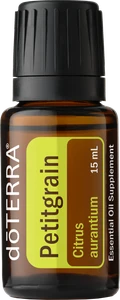
| Country | Wholesale | Retail | Per drop (wholesale) |
|---|---|---|---|
 USA 15 ml USA 15 ml | $27.00 | $36.00 | $0.11 |
 United Kingdom 15 ml United Kingdom 15 ml | £26.75 | £35.66 | £0.11 |
 Germany 15 ml Germany 15 ml | €31.25 | €41.66 | €0.13 |
 France, Austria 15 ml France, Austria 15 ml | €31.51 | €42.01 | €0.13 |
 Spain, Netherlands 15 ml Spain, Netherlands 15 ml | €31.77 | €42.36 | €0.13 |
 Italy 15 ml Italy 15 ml | €32.04 | €42.71 | €0.13 |
 Portugal 15 ml Portugal 15 ml | €32.30 | €43.06 | €0.13 |
 Poland 15 ml Poland 15 ml | 142.00 zł | 189.33 zł | 0.57 zł |
 Ukraine 15 ml Ukraine 15 ml | €26.26 | €35.01 | €0.11 |
From the official dōTERRA price lists, October 2026. Wholesale is the price with a free-to-keep wholesale account, 25% below retail. Ukraine is shown without VAT. About 250 drops in 15 ml, 85 in 5 ml.
Petitgrain smells like a citrus grove at the moment you rub a leaf between your fingers: green, fresh and slightly bitter, with a soft floral heart. It is one of those oils people often skip and then keep reaching for.
In short: petitgrain oil (Citrus aurantium) is steam-distilled from the leaves and twigs of the bitter orange tree, not from the peel. A 15 ml bottle costs $27 wholesale in the US and £26.75 in the UK. People use it in evening diffuser blends with lavender and bergamot, in linen sprays, and diluted in homemade skin blends; the one rule to remember is to dilute it for skin.
What it is and where it comes from
The bitter orange tree gives us different oils: neroli from the blossoms and petitgrain from the leaves and twigs. Because it is a steam-distilled leaf oil and not a pressed peel oil, petitgrain is not photosensitive. Its main components are linalyl acetate and linalool, the same pair that gives lavender its soft, calm character, which explains why the two blend so naturally.
dōTERRA sources its petitgrain in Paraguay under its Co-Impact Sourcing approach. dōTERRA also tests every batch, and the results for your lot number are published at sourcetoyou.com.
Aroma
Fresh, green and woody-floral, with a light citrus edge and a faint bitterness that keeps it from being sweet. It is much calmer than orange or lemon and has the same elegant quality as neroli without the heavy price. Many people call it “the quieter cousin of neroli”.
How people use it
In the diffuser. Two or three drops make a soft, green background scent. In blends it ties citrus and florals together:
| Blend | Drops | When |
|---|---|---|
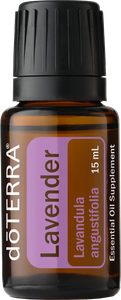
| Petitgrain + Lavender | 2 + 2 | Quiet evening at home |
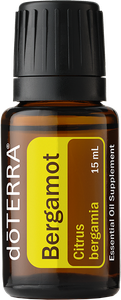
| Petitgrain + Bergamot | 2 + 3 | Late afternoon, reading |
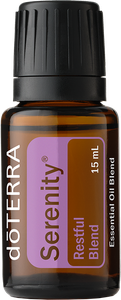
| Petitgrain + Serenity | 2 + 2 | Wind-down time before bed |
| Petitgrain + Frankincense | 2 + 1 | Slow, calm weekend morning |
Linen spray. Add 10 to 15 drops to a 100 ml spray bottle with water and a splash of vodka or witch hazel as a dispersant, shake well and mist pillows, curtains or a sofa throw. Test on a small hidden spot of the fabric first.
On skin. Diluted at one to two drops per 10 ml of carrier oil, it is a popular ingredient in homemade face and body oils. Keep it away from the eyes.
As a fragrance base. Its green, woody-floral character works well in men’s colognes and roll-on perfumes: a few drops with cedarwood and bergamot in a carrier oil make a simple personal scent.
Safety
Petitgrain is among the gentler oils, but the usual rules apply:
- Dilute for skin: one to two drops per 10 ml of carrier oil.
- Patch-test on the inner arm and wait 24 hours if your skin is sensitive.
- Keep it away from eyes and mucous membranes.
- In pregnancy, while breastfeeding or with medical conditions, ask a doctor first.
- Keep the bottle out of reach of children, and diffuse only lightly and briefly around small children.
- Pets, especially cats and birds, are sensitive to essential oils; ventilate the room and give animals a way out.
Is it worth the price?
A 15 ml bottle holds about 250 drops, so at $27 a drop costs roughly 11 cents (about 11 pence at £26.75). A three-drop diffuser session comes to around 32 cents. That makes petitgrain one of the pricier citrus-family oils, but still far cheaper than neroli, and a bottle lasts a long time because you need so little.
If you want a bright, sweet scent, Wild Orange is cheaper. If you want something greener, calmer and more grown-up, petitgrain earns its place on the shelf. dōTERRA tests every batch, and the lot number results are at sourcetoyou.com.
What to pair it with
Petitgrain is not in a starter kit and it is easy to combine. Its two best friends are Lavender and Bergamot; together they make a classic calm, citrusy evening scent. For a ready-made version of that mood, try the blend Serenity and add a drop or two of petitgrain on top.
If you are just starting out, the first five oils for your home is a good base before adding more specialised bottles.
Where to buy it
Buy directly from dōTERRA under your market’s terms: you pay the price in the table above, the parcel ships from the regional warehouse under your country’s rules, and the label tells you whether food use is allowed where you live. If your country is not an official dōTERRA market, you order through Global Access: the parcel ships from the US via a forwarding intermediary, with extra shipping and customs costs. Marketplace bottles at half price are a gamble; here is how to spot a fake. Pick your country on the home page to open the official form with the wholesale price, or ask us if anything is unclear.
Questions and answers
How much does dōTERRA Petitgrain cost?
In the US a 15 ml bottle is $27.00 wholesale and $36.00 retail; in the UK it is £26.75 wholesale and £35.66 retail. The table above lists nine countries from the official October 2026 price lists.
How many drops are in a 15 ml bottle of Petitgrain?
About 250 drops. At two or three drops per diffuser session, one bottle covers many weeks of daily use.
Is Petitgrain the same as Neroli?
No. Both come from the bitter orange tree, but neroli is made from the blossoms and petitgrain from the leaves and twigs. Petitgrain is greener and quieter, and it is much more affordable. People often call it the quieter cousin of neroli.
Is Petitgrain photosensitive like other citrus oils?
It is distilled from leaves and twigs, not pressed from the peel, so it is not a photosensitive oil in the way cold-pressed citrus oils are. You should still dilute it for skin and patch-test first.
What does Petitgrain blend well with?
Lavender and Bergamot are the classic partners. It also works with Serenity for a calm evening scent and sits nicely under woody oils.
This information is for general aromatic and household use. dōTERRA products are not intended to diagnose, treat, cure or prevent any disease. Follow the label of the product sold in your country; ask a doctor before use during pregnancy, with children or with medical conditions.